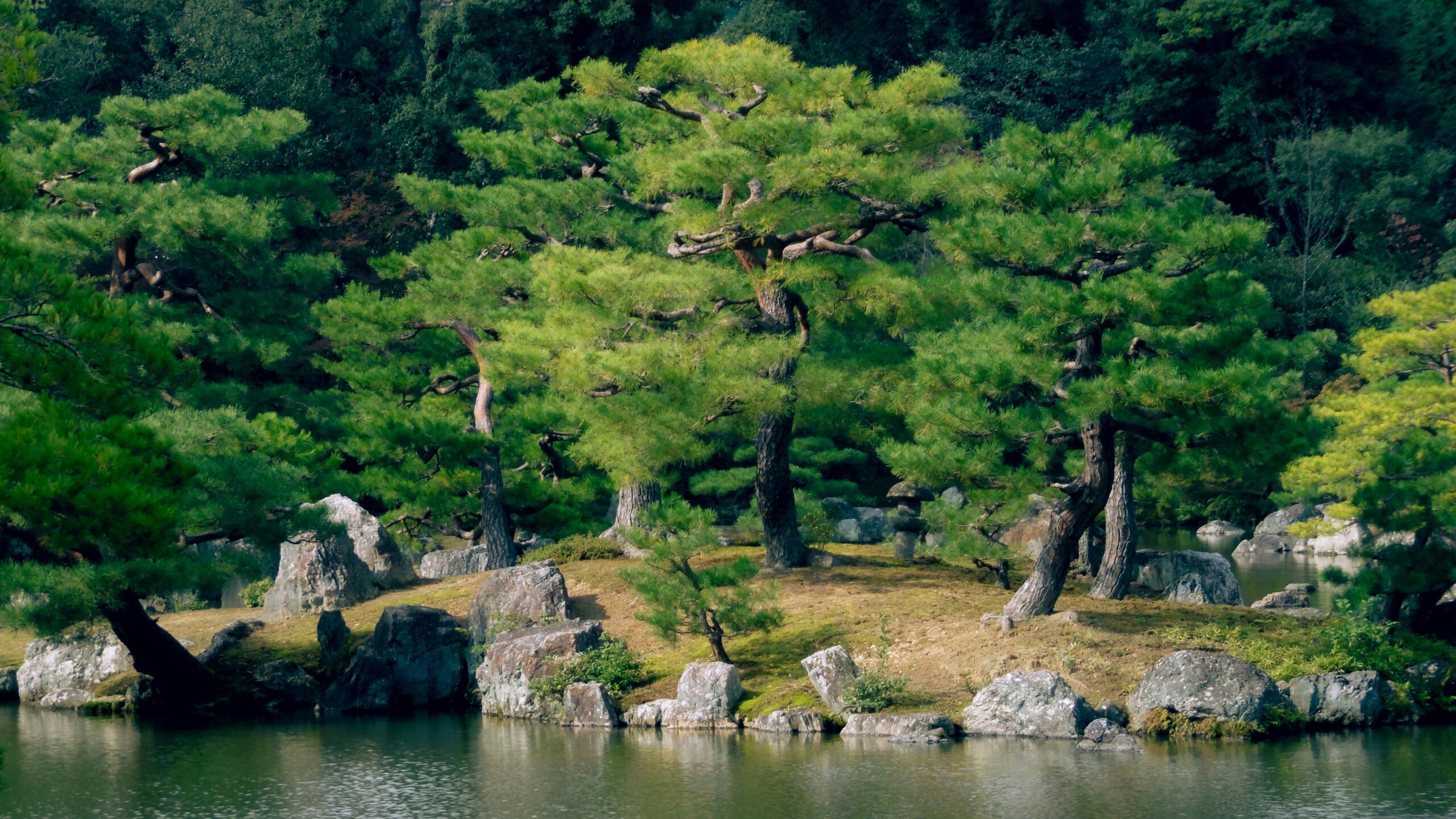
Some people travel a long way just to spend time in Japanese forests because they are so peaceful. The smell of wet cypress, moss, and stone helps you relax almost instantly. You do not have to fly across the world to experience that feeling. If you find a good Japanese forest fragrance, you can bring that atmosphere into your home and just take a few minutes each day to sit and enjoy it.
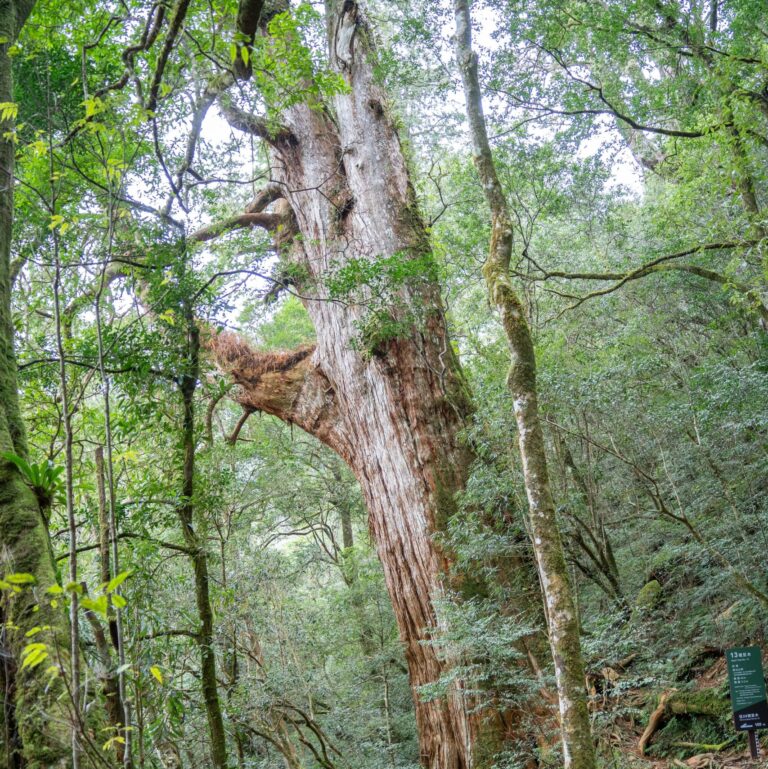
Anyone who has spent time in a Japanese forest knows the scent is hard to describe with just one word. It is woody and green, but there is also a subtle sweetness, like the smell of fresh-cut wood after it rains. This specific scent mostly comes from two types of trees, hinoki and sugi. These trees release natural compounds called phytoncides, which is one reason why being around them feels so peaceful. When this wood is reclaimed and made into incense, it carries that same character. It smells clean, slightly sweet, and a bit smoky, making the space around you feel more natural.
In Japan, people use a term called shinrin-yoku, which means forest bathing. It is a specific way of spending time in the woods to help lower your stress levels. This is not the same as going for a hike. In fact, it is almost the opposite because you walk very slowly, focus on your breathing, and let your sense of smell guide you.
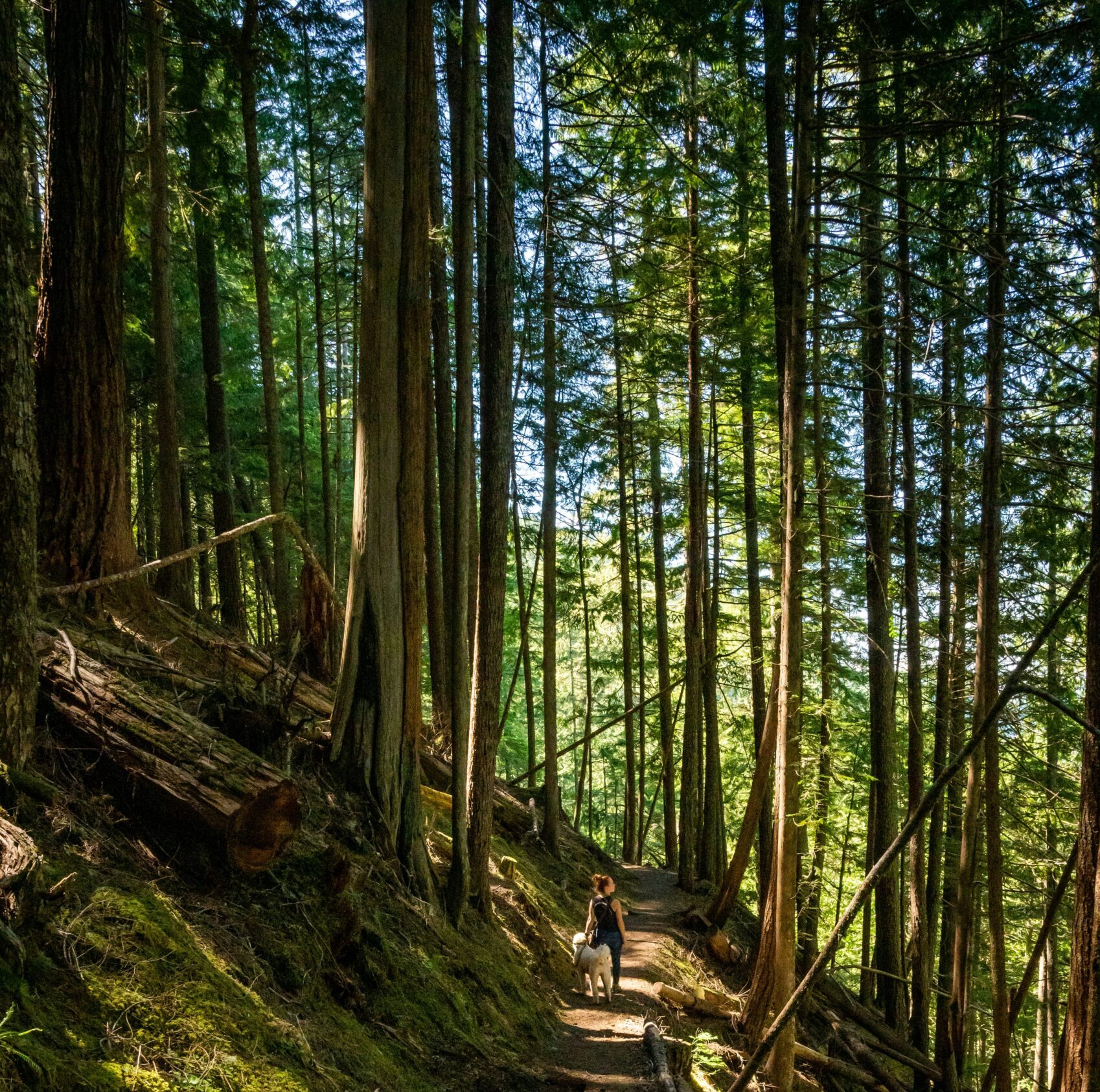

Research on forest bathing shows that spending time around trees like hinoki and sugi can lower your stress hormones and calm your nervous system. Since smell is one of the fastest ways for the brain to notice a change in your environment, using a Japanese forest fragrance can help you feel like you are actually there. It is a simple way to bring a bit of that calm indoors, even if it is just a regular Tuesday night after a long day at work.
If you’re after that forest-bathing feeling at your desk or in your living room, a few scents will get you closest.
In Japan, there is a practice called forest bathing, or shinrin-yoku, which involves spending time in the woods to help lower stress. It is not meant to be a hike or a workout. It is actually the opposite. You just walk slowly, breathe deeply, and focus on what you can sense around you, especially the smells of the forest.
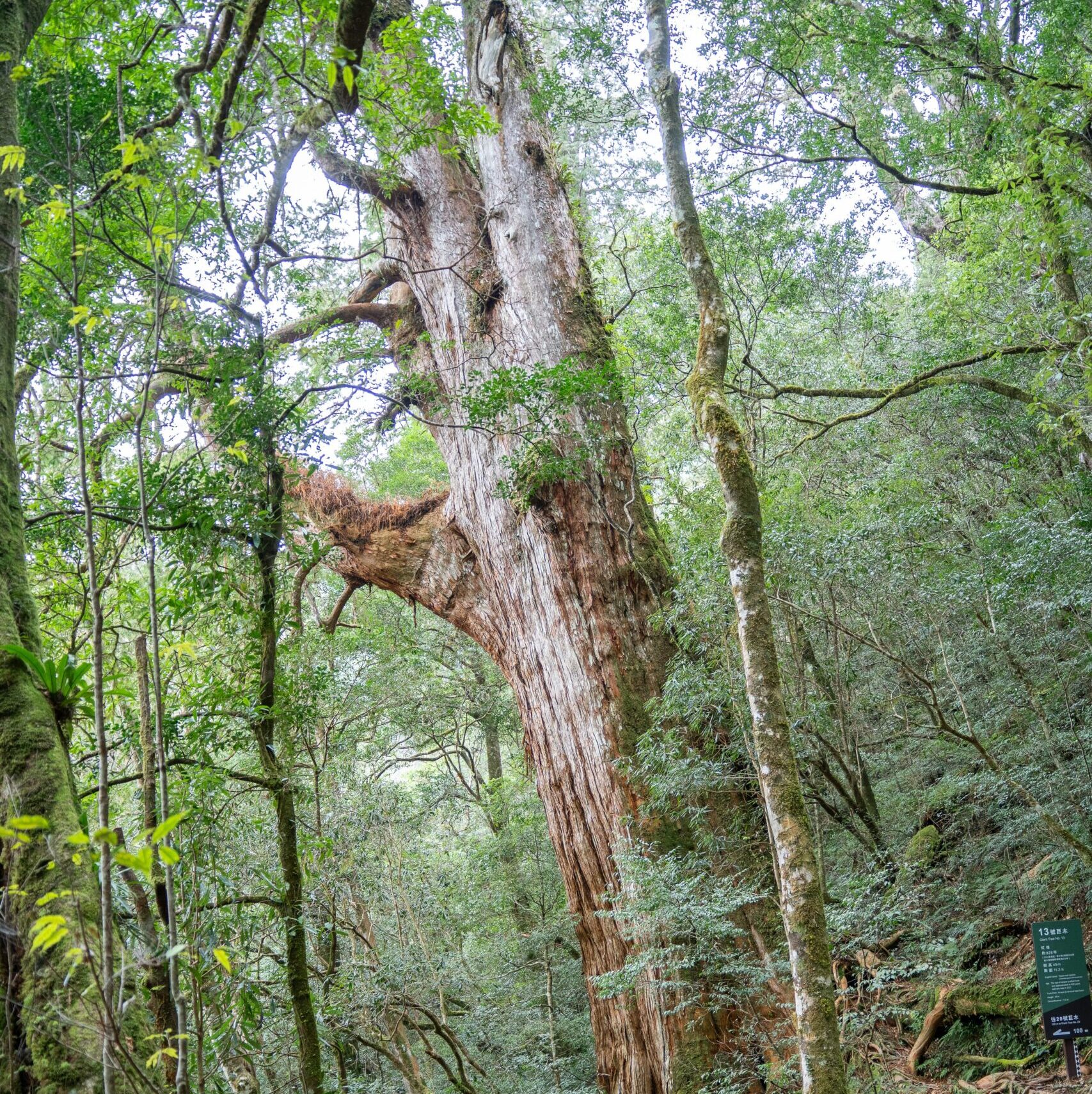

Sugi has a deeper, warmer scent than hinoki and a slightly smoky quality. It is a main ingredient in many of the incense blends used in Japanese temples and shrines.
Incense is made from reclaimed hinoki and sugi instead of freshly cut wood, it keeps the same natural smell while helping to reduce forestry waste. It is probably the easiest way to bring a piece of a real Japanese forest into your home.
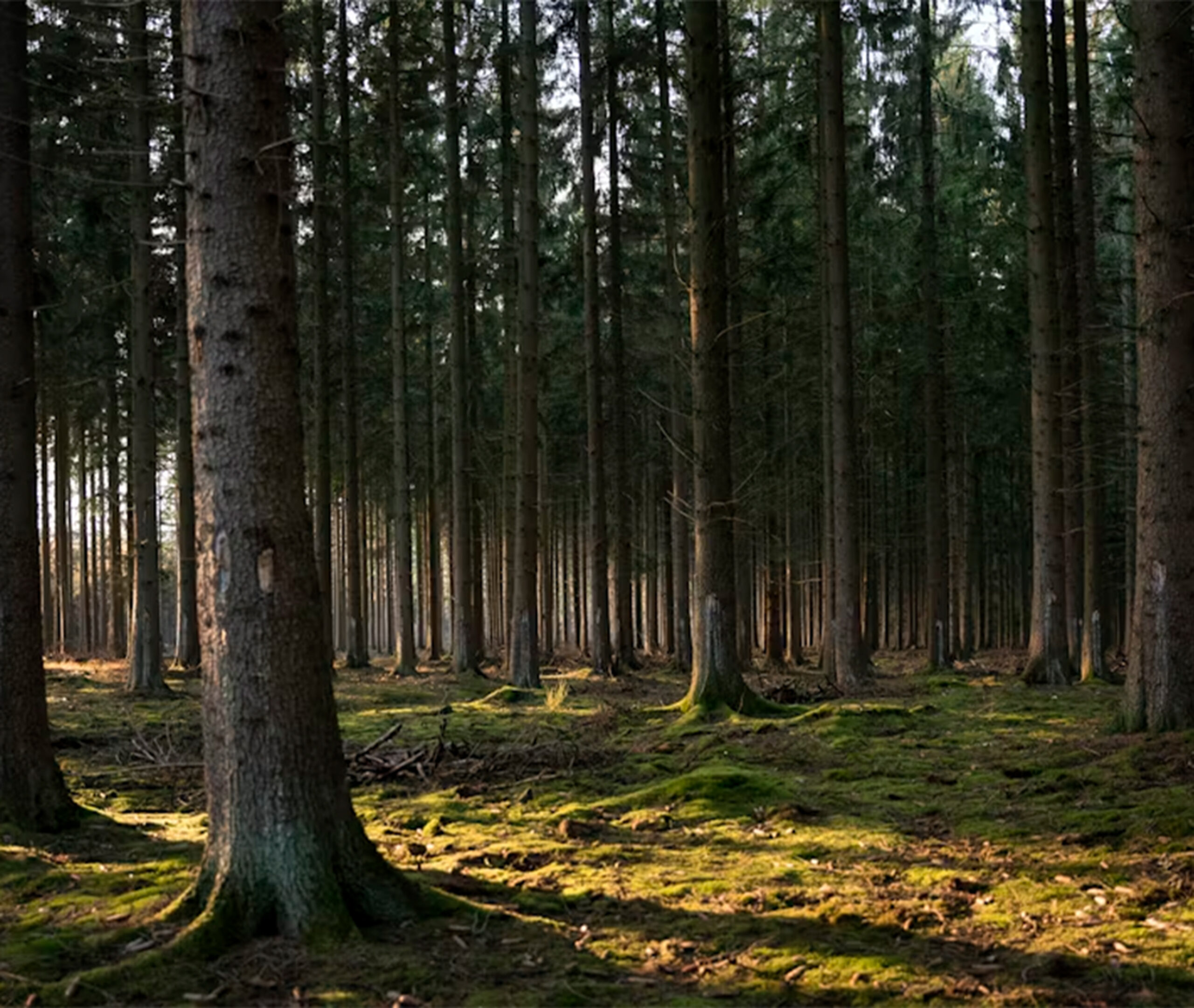
Not every product labeled as a Japanese forest fragrance is actually authentic. Before you buy anything, it is worth checking a few details. Look for specific wood names like hinoki or sugi rather than a vague forest scent. Check if the fragrance comes directly from the wood or from added oils, and see if the wood was reclaimed. These steps are simple, but they make the difference between a scent that feels like a real forest and one that just smells like a typical scented candle.

You do not need a complicated ritual to enjoy it. You can just light a stick for ten minutes while you read, work, or relax before bed. Opening a window slightly helps the scent move through the room instead of staying in one corner. If you dim the lights and stay quiet, the effect is very similar to standing in an actual forest clearing.
If the idea of having a Japanese forest scent at home sounds good to you, the best way to understand it is to try it yourself. The reclaimed wood incense from Amber Woods uses Hinoki and Sugi from Japanese woods. Because they use real wood, each stick smells like the actual forest rather than a version created in a lab.